
How to Become a Pilates Instructor (USA): Everything You Need to Know
So you've been thinking about it. Maybe for a while. You love Pilates, you light up in class, and somewhere in the back of your mind a little voice keeps asking: could I actually teach this?
The answer is yes. And you don't have to quit your job, uproot your life, or have a decade of experience to get started. Thousands of people across the US are building fulfilling careers and side hustles as Pilates instructors right now — some part-time, some full-time, some from their living rooms.
Here's everything you need to know about how to make it happen.
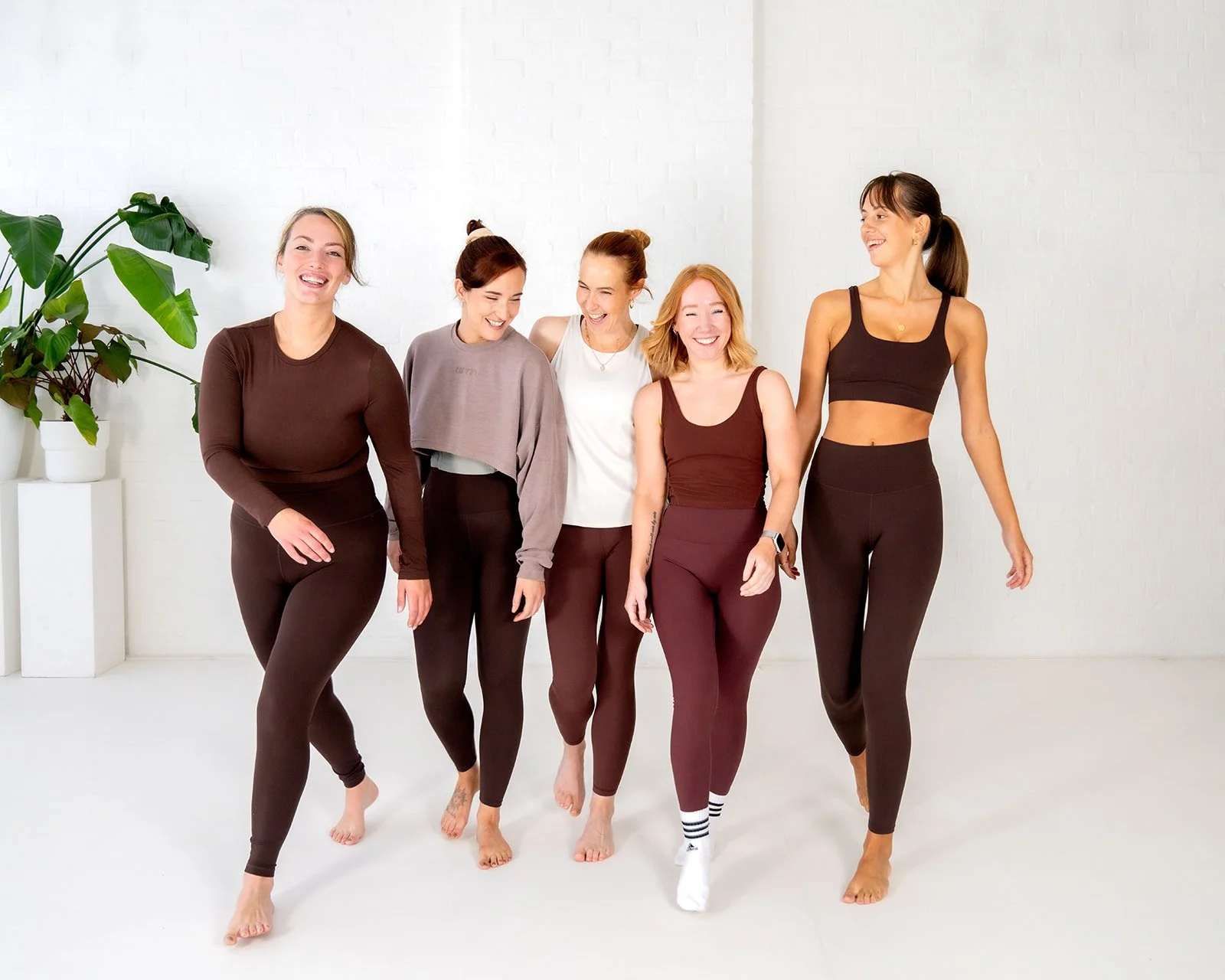
What Does a Pilates Instructor Actually Do?
Before we get into the how, let's talk about the what. As a Pilates instructor, your job is to guide clients through safe, effective movement - helping them build strength, improve posture, rehabilitate injuries, and feel genuinely good in their bodies.
You might teach group mat classes at a boutique studio, lead reformer sessions, run your own online classes, or work one-on-one with private clients. Many instructors do a mix of all of the above. The beauty of this career is that it's genuinely flexible - you can design it to fit your life, not the other way around.
Do You Need Experience to Become a Pilates Instructor?
This is one of the most common questions, and the answer might surprise you: not as much as you think.
You don't need to be a movement professional. You don't need to have practiced Pilates for years. You don't need a fitness background. What you do need is a genuine passion for movement, a willingness to learn, and the commitment to complete a quality training program.
That said, the more familiar you are with Pilates as a student, the more natural the transition to teaching will feel. If you're currently taking classes regularly, you're already building a foundation without even realising it.
What Qualifications Do You Need?
In the US, Pilates instruction isn't regulated by a single governing body the way some professions are, which means there's no single mandatory certification. However, if you want to teach at reputable studios, work with insurance, or build a credible career, you'll need a recognised certification.
Look for programs that are:
Approved OR accredited: there’s no ‘right’ accreditation, but PMA, NASM, ACE or other approvals are a good place to start.
Comprehensive in curriculum - covering anatomy, exercise repertoire, teaching skills, modifications, and class design
Supported by mentorship - so you're not just studying theory but actually learning how to teach
Flexible in delivery - Live courses are great, but not everyone can give up their time to take one. If you choose to study online look for a program with live online training components give you the best of both worlds
It's worth taking your time here. Not all certifications are equal, and the training you choose will shape the kind of instructor you become.
What Will You Learn in a Pilates Teacher Training?
A good Mat Pilates teacher training will cover far more than just the exercises. You can expect to study:
Pilates principles and foundations - the history and philosophy behind the method
Anatomy and biomechanics - understanding the body so you can teach safely and intelligently
The full mat repertoire - all 34 classical exercises, plus variations, progressions, and modifications
Teaching skills - how to cue, sequence, manage a group class, and adapt for different bodies and abilities
Pre and postnatal considerations - so you can work confidently with a wide range of clients
Business basics - how to find work, audition for studios, and start building your career
The anatomy piece is often the one that worries people most. But here's the truth: when it's taught well, it's genuinely fascinating — and it changes the way you move and teach forever.
How Long Does It Take?
This varies depending on the program and how much time you can commit. Online programs are typically designed to fit around full-time work and other commitments, with most students completing their mat certification over a period of a few weeks to a few months.
The key is finding a program that gives you flexibility without sacrificing depth. Self-paced online learning combined with live Zoom mentorship sessions is increasingly the standard for quality online training - you get the convenience of studying on your schedule with the real-world practice and feedback you need to actually become a confident teacher.
How Much Do Pilates Instructors Earn in the US?
Let's talk numbers - because yes, you absolutely can make real money doing this.
According to data from ZipRecruiter, Glassdoor, and Salary.com, the average Pilates instructor in the US earns between $48,000 and $86,000 per year. The national hourly average sits around $33.86 per hour, with many instructors earning between $30 and $65 per hour depending on their location, experience, and work type.
For newly certified instructors working part-time, earnings typically start in the $20,000 to $35,000 per year range. More experienced instructors — particularly those offering private sessions or running their own schedules - frequently earn $70,000 to $100,000 or more annually.
Studio-employed instructors generally earn $25 to $45 per hour, while those teaching private clients or running their own classes have significantly more earning potential.
A few things that affect how much you earn:
The type of work you do - private clients pay more than group classes
Where you're based - major cities like New York and LA tend to have higher rates
Your experience and reputation - clients and studios pay more for instructors they trust
Whether you go independent - teaching your own classes or online gives you control over your rates
The US Bureau of Labor Statistics also projects continued growth in the fitness and wellness sector, which is good news for anyone entering the industry right now.
What Are Your Career Options?
One of the best things about becoming a Pilates instructor is how many directions you can take it. Here are some of the most common paths:
Teach at a studio. Most instructors start here. It gives you a ready-made client base, a schedule, and a community to learn from. Many studios actively recruit new graduates, especially those trained in contemporary group teaching styles.
Freelance and cover classes. Build relationships with multiple studios and pick up cover work while you grow your own following. This is a great way to gain experience quickly and diversify your income.
Teach private clients. One-on-one sessions command higher rates and allow for deeper client relationships. Many instructors build a private client roster alongside their studio work.
Go online. The demand for online Pilates hasn't slowed down. Teaching via Zoom, creating content, or launching your own digital offerings gives you the ability to earn from anywhere - and reach clients all over the world.
Open your own studio. Further down the line, many instructors take the leap into studio ownership. It's a bigger commitment, but for those who want full creative and financial control, it's a genuinely exciting option.
Is It Right for You?
If you love Pilates and find yourself mentally cueing the instructor in class, noticing what works and what doesn't, wanting to share this practice with others - that's a really good sign.
Teaching Pilates isn't just a job. For most instructors, it's the career they wished they'd started sooner. The flexibility, the community, the satisfaction of watching someone move better and feel stronger - it's genuinely hard to put a price on.
You don't have to have it all figured out. You just have to take the first step.
Interested in learning more about what Pilates teacher training actually looks like? Stay tuned - we'll be sharing more about the journey from student to instructor right here.