
4 Things Great Pilates Instructors Do Differently (And How to Build These Habits From Day One)
By Ajia Lee Forster, Director of Pilates Education at Move Union
When I first started teaching Pilates, I thought being a great instructor was about knowing the exercises. And yes, your repertoire matters. Your technique matters. But after nearly two decades in this industry, training hundreds of instructors and working with everyone from elite athletes to complete beginners, I can tell you with confidence that what separates a good instructor from a truly great one has very little to do with how perfectly you can demonstrate a Teaser.
The instructors who build loyal, full classes, who get recommended again and again, who genuinely transform their clients' experience of movement — they do things differently. And the best part? These aren't innate talents. They're habits. Skills. Things you can learn, practise and build from the very first day you step into your role as a teacher.
Here are the four things I see in every outstanding Pilates instructor I've ever worked with.
They Know the Why Behind Everything They Do
A great instructor doesn't just know what to teach. They know why.
Why this exercise comes before that one. Why this modification works for this client. Why this cue lands better than another. Why a particular prop is going to help someone access a movement they've been struggling with for weeks.
This depth of understanding changes everything about the way you teach. It means you're never just going through the motions or following a script. You're making intentional, informed decisions in real time — and your clients feel that, even if they can't articulate why.
I see so many instructors early in their careers who rely on a set class plan and feel completely thrown when something doesn't go to plan. A client has a wrist injury. Someone can't feel the exercise in the right place. A modification isn't working. When you understand the why behind what you're teaching, you can adapt on the spot with confidence. That's not something that comes from memorising exercises. It comes from truly understanding movement.
At Move Union, this is something we build into everything we teach. From anatomy and biomechanics to exercise programming and class design, we want our graduates to have the knowledge to back up every single choice they make in the room. Because that's what real confidence looks like.
They Make Every Person in the Room Feel Seen
Think back to a class you've taken where the instructor made you feel like they were teaching specifically to you, even in a group of twenty people. That's not magic. That's skill.
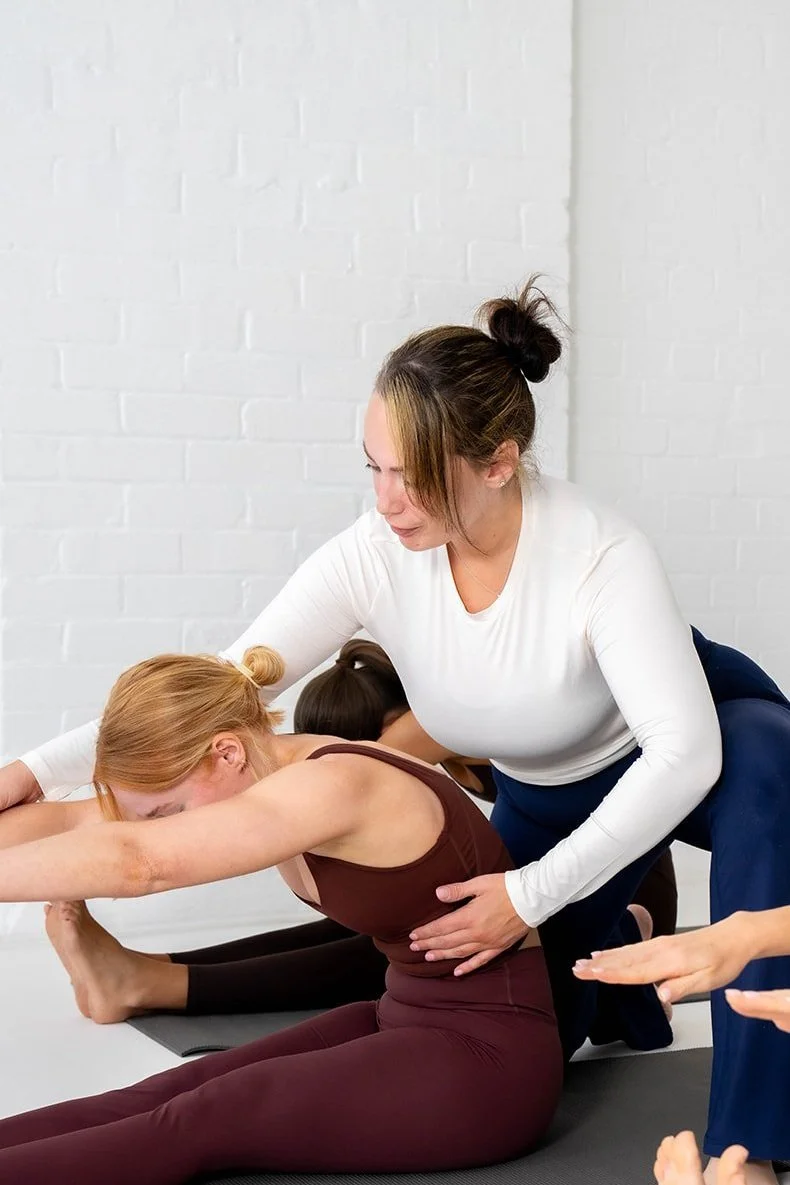
Great instructors are observers. They walk into a room, take in who's there, notice how people are moving and make adjustments before a client even has to ask. They pick up on the person who's rushing through every exercise and the one who's hanging back, not quite sure if they're doing it right. They see the tension in someone's shoulders, the instability in a hip, the moment someone lights up because they finally nailed something they've been working on.
And then they respond. A well-timed cue. A gentle correction. A word of encouragement that lands at exactly the right moment.
This is what turns a one-time client into a regular. People don't just come back for the workout. They come back because they feel better when they're in your class. They come back because you see them.
The technical term for this is observation and cueing, and it's something we spend a lot of time on in our training programmes at Move Union. But really it comes down to presence. The best instructors are fully in the room. Not in their heads, not running through their next sequence — in the room, with their clients, every minute of the class.
They Never Stop Learning
I have been in this industry for nearly twenty years. I have trained with some of the best in the world. I have delivered hundreds of hours of teacher training. And I still take courses. I still attend workshops. I still have moments in the studio where I learn something new about the way a body moves or the way a cue lands.
The instructors who plateau are the ones who stop being curious. The ones who think that once they have their certification, the learning is done. It isn't. It's just beginning.
The Pilates and boutique fitness world moves quickly. The science of movement evolves. Client expectations shift. The way studios programme their classes changes. The instructors who stay ahead of all of this are the ones who treat their own education as an ongoing investment, not a box they ticked once and moved on from.
This doesn't have to mean constantly signing up for expensive courses, though continuing education is genuinely valuable. It can be as simple as reading, watching, experimenting. Taking a class in a modality you've never tried. Asking a more experienced colleague how they would approach something. Reflecting honestly on how a session went and thinking about what you'd do differently next time.
The best instructors I know are genuinely, endlessly curious. They talk about movement the way other people talk about things they love. Because for them, it is. That passion is what keeps them growing — and it's what their clients respond to, every single time.
They Lead with Confidence, Not Perfection
This one is important, and I want you to really hear it.
You do not need to be perfect to be a great instructor. You do not need to have the most advanced practice in the room. You do not need to have been teaching for years before you can show up with authority.
What you need is to be prepared, to know your material, and to lead with intention. Confidence in teaching is not about never making mistakes. It's about having enough grounding in your knowledge and your own teaching identity that when things don't go to plan — and they won't sometimes — you can handle it with grace and keep the room with you.
I've seen brand new instructors walk into their first class and absolutely own it, not because they were flawless, but because they were present, prepared and genuinely committed to the people in front of them. And I've seen experienced instructors lose a room because they were so caught up in executing their plan perfectly that they forgot to actually connect with their clients.
Confidence is a skill. It grows with practice, with knowledge, with experience. But it also grows when you give yourself permission to be a teacher, not a performer. The moment you shift your focus from how you look at the front of the room to what the people in front of you need — that's when everything changes.
So, Where Do You Start?
If you're reading this and thinking about becoming a Pilates instructor, or if you're early in your teaching journey and wondering how to build these habits, my advice is simple. Find training that goes beyond the exercises.
Look for a programme that teaches you the why. That gives you real tools for observation and cueing. That supports you not just through your certification but beyond it. And then show up fully — curious, committed, and ready to grow.
These qualities aren't reserved for instructors with twenty years of experience. They're available to you from day one. You just have to decide to lead that way.
Ajia Lee Forster is the Director of Pilates Education at Move Union and a Pilates Master Trainer with nearly 20 years of experience in the fitness industry.